
Invited Speakers
Keynote Lecture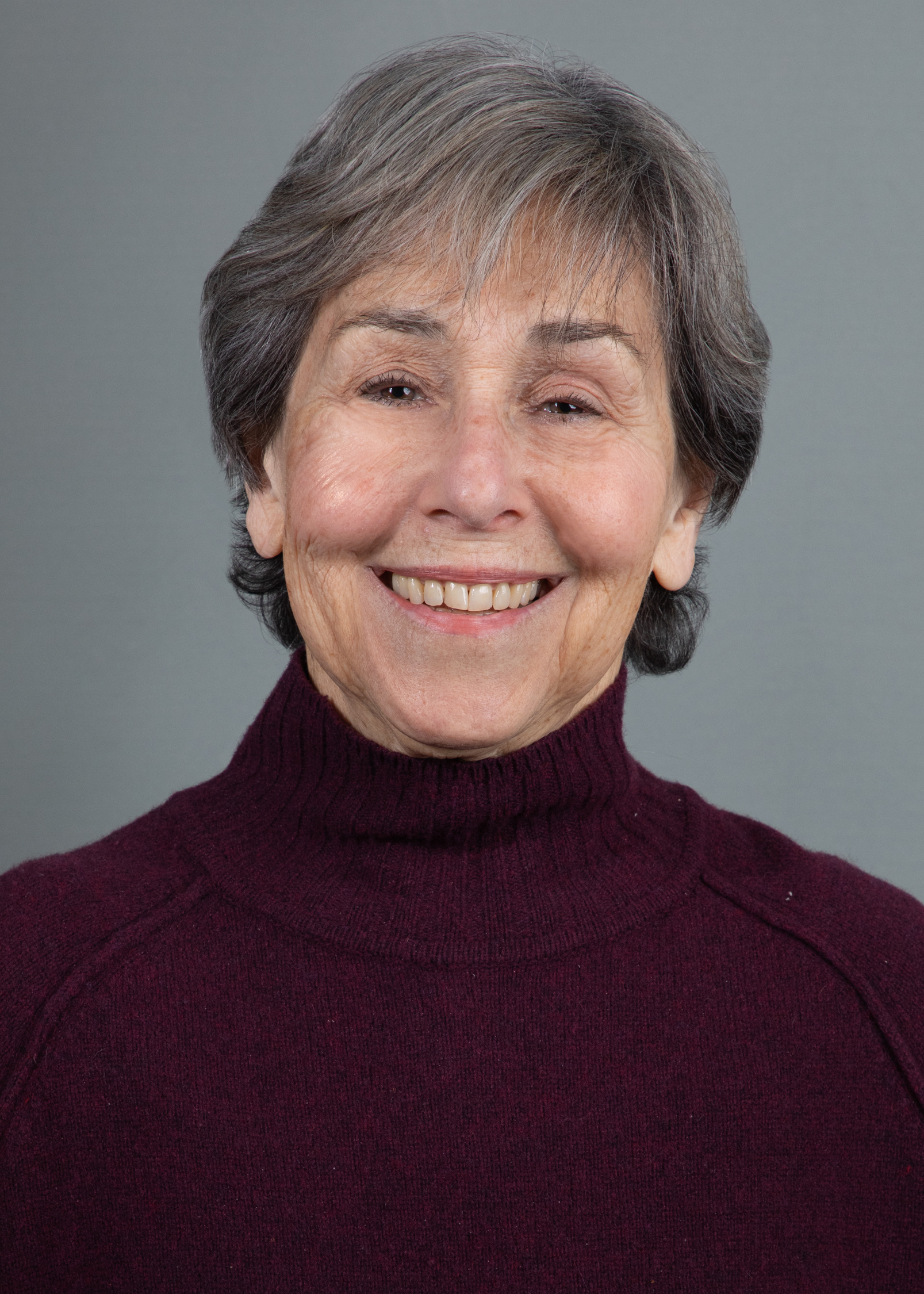
Carole Ober, PhD
Blum-Riese Distinguished Service Professor, Department of Human Genetics, University of Chicago
Carole Ober is the Blum-Riese Distinguished Service Professor in the Department of Human Genetics, and a member of the Committee on Genetics, Genomics and Systems Biology, at the University of Chicago. She has had continuous NIH funding since 1986 to study the genetics and epigenetics of complex human diseases and traits, with emphases on traits related to asthma and allergic diseases. She has led or co-led national and international consortia on asthma genetics and received numerous awards for her research contributions. She was elected as a fellow of the American Association for the Advancement of Science (AAAS) in 2014 and served on the Board of Scientific Advisors for the Intramural Program at the National Human Genome Research Institute’s from 2018-2023. Her current work focuses on the impact of the genetic and environmental interplay on disease risk, epigenetic mediation of these effects, and functional characterizations of the genes that confer risk to or protection from asthma and allergic diseases.
Paul Kallos Memorial Lecture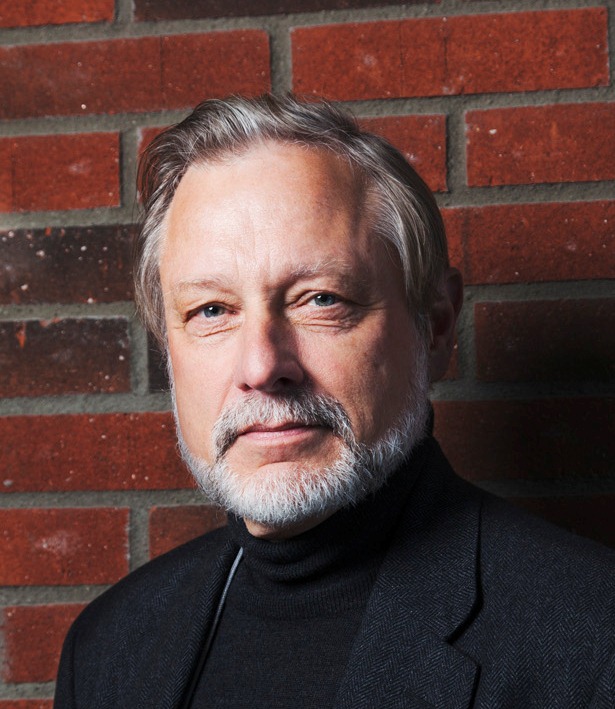
Sven-Erik Dahlén, MD, PhD
Senior Professor of Asthma & Allergy, Karolinska Institutet
Senior Professor of Asthma & Allergy, Lung and Allergy Clinic, Karolinska University Hospital
Sven-Erik Dahlén (MD, PhD, Fellow of ERS and BPS, born 1952) is senior professor of asthma and allergy research at Karolinska Institutet in Stockholm and the Lung- and Allergy Clinic at Karolinska University Hospital. He has served as Director of the Centre for Allergy Research at Karolinska Institutet 2005-2023. He is recognised for translational research on biological effects of eicosanoids (Leukotrienes, prostaglandins and related compounds), the use of eicosanoid metabolites as biomarkers in asthma, and the role of the mast cell in asthma and allergy. He is leading international and national consortia for phenotyping of severe asthma (PI of BIOAIR & BIOCROSS, and Co-PI of U-BIOPRED and 3TR-ABC). He has much experience with both preclinical research and clinical trials for the development of new treatments for asthma and has published about 400 peer reviewed papers. He was ERS Research Director 2007-2011 with responsibility for awards, fellowships, and EU affairs, and chairman of the 2007 ERS Congress in Stockholm. Dahlén has over the years had many appointments for the medical faculty of the Karolinska Institute, including chairmanship of the selection committee for Vice Chancellor and other high positions 2010-2018.
Carl Prausnitz Lecture
Bali Pulendran, PhD
Violetta L. Horton Professor
Director of the Institute for Immunity, Transplantation and Infection, Department of Pathology, Department of Microbiology and Immunology
Fellow at ChEM-H (Chemistry, Engineering and Medicine for Human Health), Stanford University School of Medicine, Stanford University
Bali Pulendran is the Violetta L. Horton Professor at the Stanford University School of Medicine, and Director of the Institute for Immunology, Transplantation, and Infection, at Stanford University. He received his undergraduate degree from Cambridge University, and his Ph.D., from the Walter & Eliza Hall Institute in Melbourne, Australia, under the supervision of Sir Gustav Nossal. He then did his post doctoral work at Immunex Corporation in Seattle.
Dr. Pulendran has had a transformative impact on human immunology and vaccinology by pioneering the use of systems approaches to probe immunity to vaccination and infection in humans. In addition, Dr. Pulendran discovered that dendritic cells, one of the key cell types orchestrating the immune response, consist of multiple subtypes, which are functionally distinct. He also discovered the mechanisms by which microbial stimuli program DCs to modulate T-helper responses and helped establish Flt3-Ligand as the key growth factor for DCs in vivo. These groundbreaking findings helped define major paradigms in innate immunity.
Dr. Pulendran’s research is published in front line journals such as Nature, Science, Cell, Nature Medicine, and Nature Immunology. Dr. Pulendran serves on many advisory boards including that of Keystone Symposia and on the External Immunology Network of GSK. He is a fellow of the American Association for the Advancement of Science, a Distinguished Fellow of the American Association of Immunologists, and the recipient of several honors and awards, including two concurrent MERIT awards from the NIH, the AAI Ralph Steinman Award for Human Immunology, the Albert Levy Prize, the ViE Award for the Best Research Team at the World Vaccine Congress, and is listed on Thomson Reuter’s list of Highly Cited Researchers, which recognizes the world's most influential researchers of the past decade, demonstrated by the production of multiple highly-cited papers that rank in the top 1% by citations.
Presidential Lecture
Donata Vercelli, MD
Regents Professor
Professor of Cellular and Molecular Medicine
Director, Arizona Center for the Biology of Complex Diseases
Associate Director, Asthma and Airway Disease Research Center
Professor, The BIO5 Institute
Dr. Vercelli received her MD degree from the University of Florence in 1978 and trained in immunology at Children’s Hospital/Harvard Medical School, where she was an Assistant Professor of Pediatrics from 1991 to 1994. After four years as Director of the Molecular Immunoregulation Unit at San Raffaele Scientific Institute in Milan, in 1999 she moved to the University of Arizona where she currently is a Professor of Cellular and Molecular Medicine, the Associate Director of the Asthma and Airway Disease Research Center, and the Director of the Arizona Center for the Biology of Complex Diseases (ABCD). She is an elected member of the Association of American Physicians (AAP) and from 2005 to 2012 was the Associate Editor for Genetics of The Journal of Allergy and Clinical Immunology. In 2022, she was named Regents Professor at the University of Arizona. Her research relies on both human and animal models and is supported by the NIH and industry.
Important Dates
1 October 2026
Abstract & Travel Grant Submission Open
2 November 2026
Registration Opens
1 February 2027
Abstract & Travel Grant Submission Deadline
1 March 2027
Late-Breaking Abstract Deadline
1 April 2027
Early Registration Closes
20 April 2027
Membership Nomination Deadline
4 - 8 June 2027
35th Biennial Symposium